
Running Form: How to Avoid Common Mistakes That Slow You Down
Last update, Nov 27th 2025, by Etienne Durocher
Running is simple in theory — put one foot in front of the other. But subtle mistakes in form can cause inefficiency, slow you down, and increase the risk of injury. By refining your running mechanics, you can improve speed, endurance, and overall comfort.
Here’s how to recognize and correct common running form mistakes so every step counts.
Why Running Form Matters
Proper running form isn’t just about aesthetics. It:
Improves efficiency and speed
Reduces energy wasted on unnecessary movement
Minimizes the risk of injury
Supports long-term performance growth
Even experienced runners can unknowingly develop habits that hold them back. Correcting these early can make a noticeable difference.
Common Running Form Mistakes and How to Fix Them
1. Overstriding
What it is: Landing your foot too far in front of your body, often with a heel strike.
Why it matters: Increases braking forces, reduces efficiency, and can lead to shin, knee, or hip injuries.
Fix it: Focus on landing your foot under your hips, not in front. Keep a slight forward lean from the ankles, engage your core, and maintain a quick cadence.
2. Slouching or Poor Posture
What it is: Rounded shoulders, collapsed chest, or leaning back while running.
Why it matters: Limits lung capacity, increases fatigue, and stresses your lower back.
Fix it: Keep your chest lifted, shoulders relaxed, and gaze forward. Imagine a string gently pulling the crown of your head upward.
3. Overuse of Arm Swing or Tension
What it is: Swinging arms across the body or tensing fists and shoulders.
Why it matters: Wastes energy and can disrupt hip rotation.
Fix it: Swing arms forward and back, keeping elbows at ~90 degrees. Relax your hands — think of holding a small bird, not a hammer.
4. Inconsistent Cadence
What it is: Long, slow strides with pauses in rhythm.
Why it matters: Can lead to overstriding, joint stress, and slower running economy.
Fix it: Aim for 170–180 steps per minute for most runners. Small steps with a light, quick turnover reduce impact and maintain momentum.


5. Ignoring Core Engagement
What it is: Weak midsection causing torso rotation, unstable hips, or dropped pelvis.
Why it matters: Forces legs to compensate, increasing injury risk.
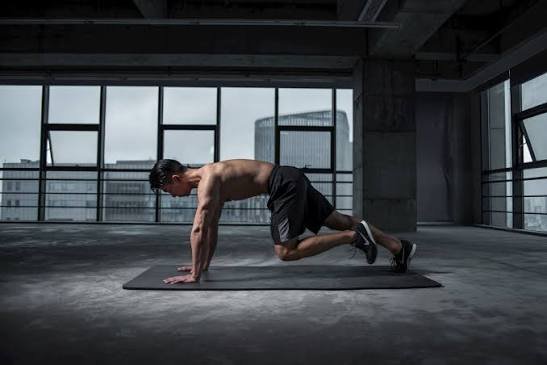
Fix it: Strengthen core and glutes, maintain an upright torso, and practice controlled breathing. Pilates, planks, and hip bridges are excellent additions.


Tips for Practicing Good Form
Short Form Drills:
High knees
Butt kicks
Skipping drills
Strides with focus on posture and foot placement
Video Analysis: Record your run to identify errors. Slow-motion review helps spot overstriding, slouching, or arm issues.
Strength and Mobility: Strong glutes, hamstrings, and calves support proper alignment. Hip openers and ankle mobility exercises improve stride mechanics.
Gradual Integration: Don’t try to fix everything at once. Focus on one or two adjustments per week until they feel natural.
The Role of a Coach
A coach can:
Provide personalized form analysis
Suggest drills and strength exercises tailored to your weaknesses
Offer weekly feedback to reinforce improvements
At Philotimo Running Coach, we combine form assessment with strength, drills, and mental strategies to ensure improvements are sustainable and efficient. Check Running Form Tips and Drills for additional exercises.
Quisque iaculis facilisis lacinia. Mauris euismod pellentesque tellus sit amet mollis.